News
2026-09-30
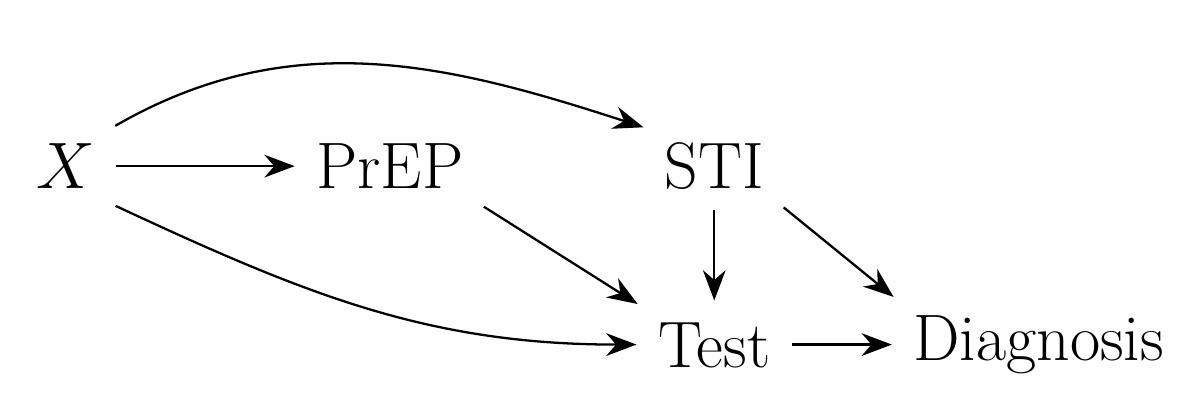
New paper led by Anna Parker in Epidemiology: Enhanced Screening and Bacterial Sexually Transmitted Infection Diagnoses after HIV Pre-Exposure Prophylaxis Initiation. A self-controlled case series compared gonorrhea and chlamydia diagnosis rates before and after PrEP initiation among 9,143 commercially insured US males in MarketScan claims (2016–2019). Diagnoses rose for gonorrhea (IRR 3.47, 95% CI 2.57–4.72) and chlamydia (IRR 3.59, 2.50–5.27), mostly at extragenital sites. Against a Bayesian model of increased screening with no change in infection risk, observed rates exceeded expectations by 8% to 14%, with intervals including no excess. Increased asymptomatic screening accounted for about 80% of the rise in each infection, suggesting screening, rather than risk compensation, may explain most of it.
2026-08-29
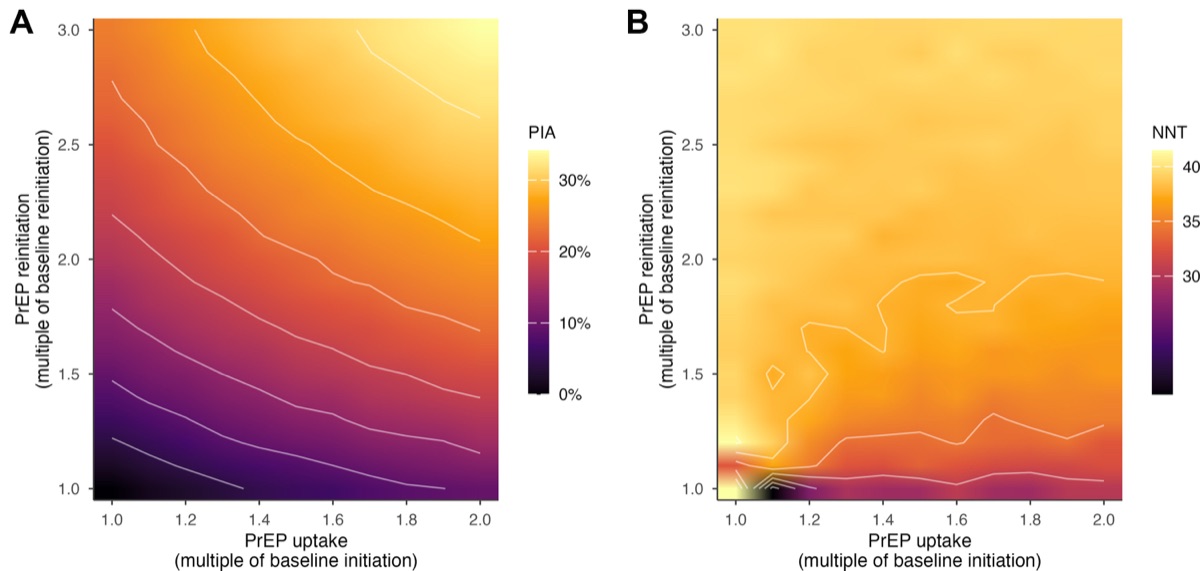
New paper led by Christina Chandra in Lancet Regional Health – Americas: PrEP Reinitiation, Uptake, and Persistence as Targets for Reducing HIV Incidence and Racial and Ethnic Inequities among Men Who Have Sex with Men in Boston, USA: A Network Modeling Study. A network model of 100,000 cisgender men in Boston was parameterized with electronic health record data from 37,722 men (2012–2023) and calibrated to local surveillance. Over 10 years, doubling reinitiation averted 15.8% of infections (1,481; number needed to treat 40), versus 10.0% for doubling uptake and 5.6% for maximizing persistence; a fivefold increase averted 32.6% at the same number needed to treat. Equity-focused reinitiation among Black and Hispanic men produced the most favorable relative disparity patterns, though inequities remained.
2026-08-28
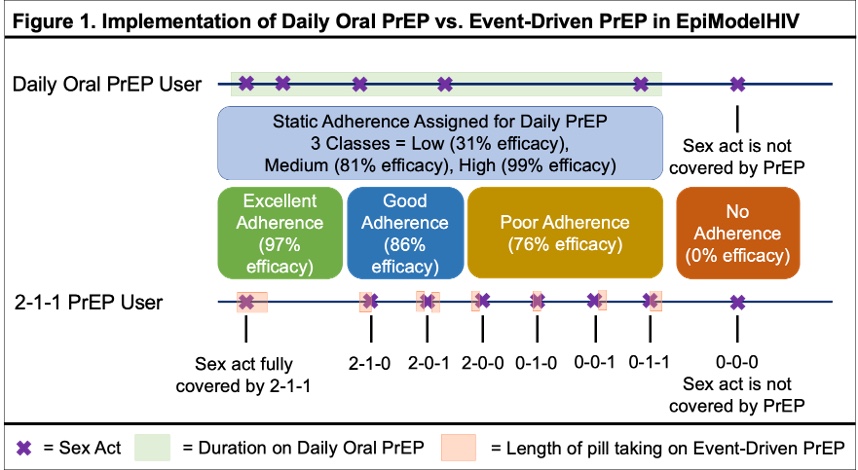
New paper led by Christina Chandra in the Journal of Acquired Immune Deficiency Syndromes: Modeling the Potential Impact of Scaling Up Event-Driven PrEP among Gay, Bisexual, and Other Men Who Have Sex with Men. A network model simulated HIV transmission among 100,000 men who have sex with men in Atlanta over 10 years, adding event-driven PrEP on the 2-1-1 schedule. Against a baseline of daily PrEP only, raising event-driven initiation until overall PrEP use nearly doubled (28.5% versus 16.1%) averted 18.3% of infections. Extending eligibility to any sexually active man averted 15.8%. Targeting men who discontinued daily PrEP with low adherence yielded no population-level improvement, and raising initiation mattered more than improving adherence.
2026-08-06
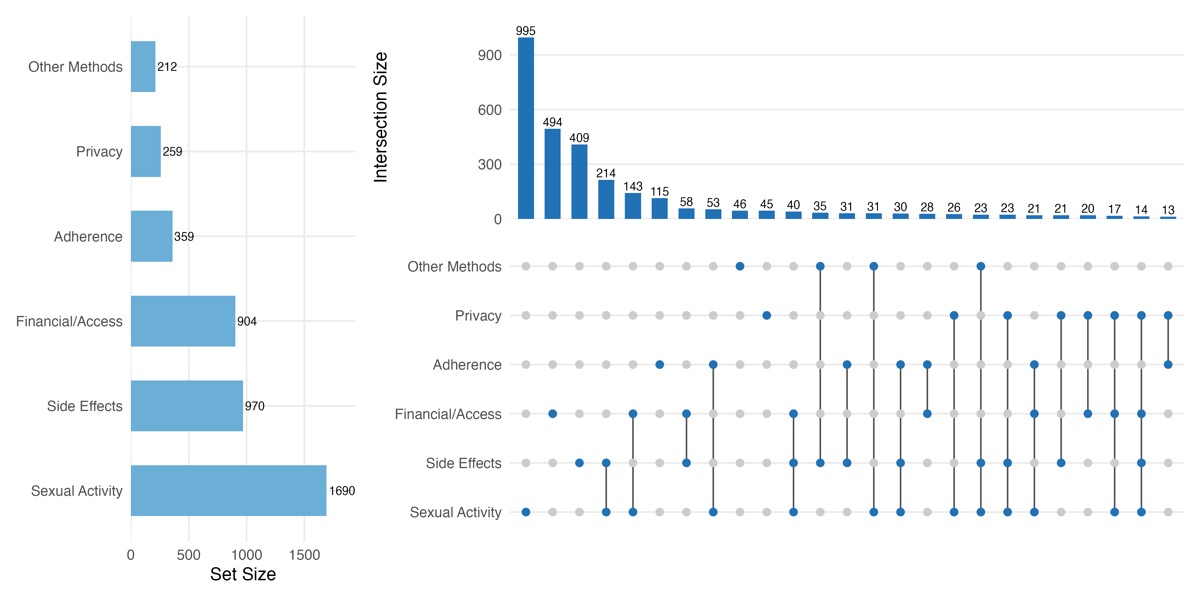
New paper in AIDS: Evolving Drivers of Preexposure Prophylaxis Discontinuation among US MSM, 2018–2024. We pooled seven waves of the American Men’s Internet Survey and analyzed 3,074 former PrEP users who reported reasons for stopping, estimating adjusted prevalence by year with g-computation. Altered sexual activity was the most common reason (55%), followed by side effects (31.6%) and financial or access barriers (29.4%). After adjustment, altered sexual activity rose from 46.2% in 2018 to 61.2% in 2024, while privacy and discrimination concerns doubled from 5.6% to 11.3%, the only reason with a significant linear trend. Latent class analysis identified three discontinuation profiles; being uninsured most strongly predicted financial discontinuation (aOR 4.31).
2026-07-28
New paper led by Maria Garcia Quesada in Epidemics: Modeling the Impact of Adherence to U.S. Isolation and Masking Guidance on SARS-CoV-2 Transmission in Office Workplaces in 2021–2022. A network model representing contacts in the home, office, and community was parameterized with CorporateMix contact data and calibrated to the COVID-19 epidemic in Georgia from January 2021 through August 2022. Workplace transmission accounted for a small fraction of total infections at the reference level of adherence to CDC isolation and masking guidance. Raising adherence among office workers alone had limited additional benefit, given low workplace contact intensity and hybrid work arrangements, whereas raising adherence across the broader population was more effective at reducing cases and deaths among office workers.

2026-07-20
Our Network Modeling for Epidemics (NME) short course starts today at the Summer Institute in Statistics and Modeling in Infectious Diseases (SISMID) at Emory University. Taught with Steven Goodreau and Martina Morris, NME covers stochastic network models for infectious disease transmission dynamics using EpiModel. NME-I: Foundations runs July 20–22 and introduces network model specification with TERGMs and epidemic simulation over dynamic networks. NME-II: Applications runs July 22–24 and extends to research-level model building with the EpiModel API, multi-layer networks, and parameterization from egocentric network data.
2026-07-17
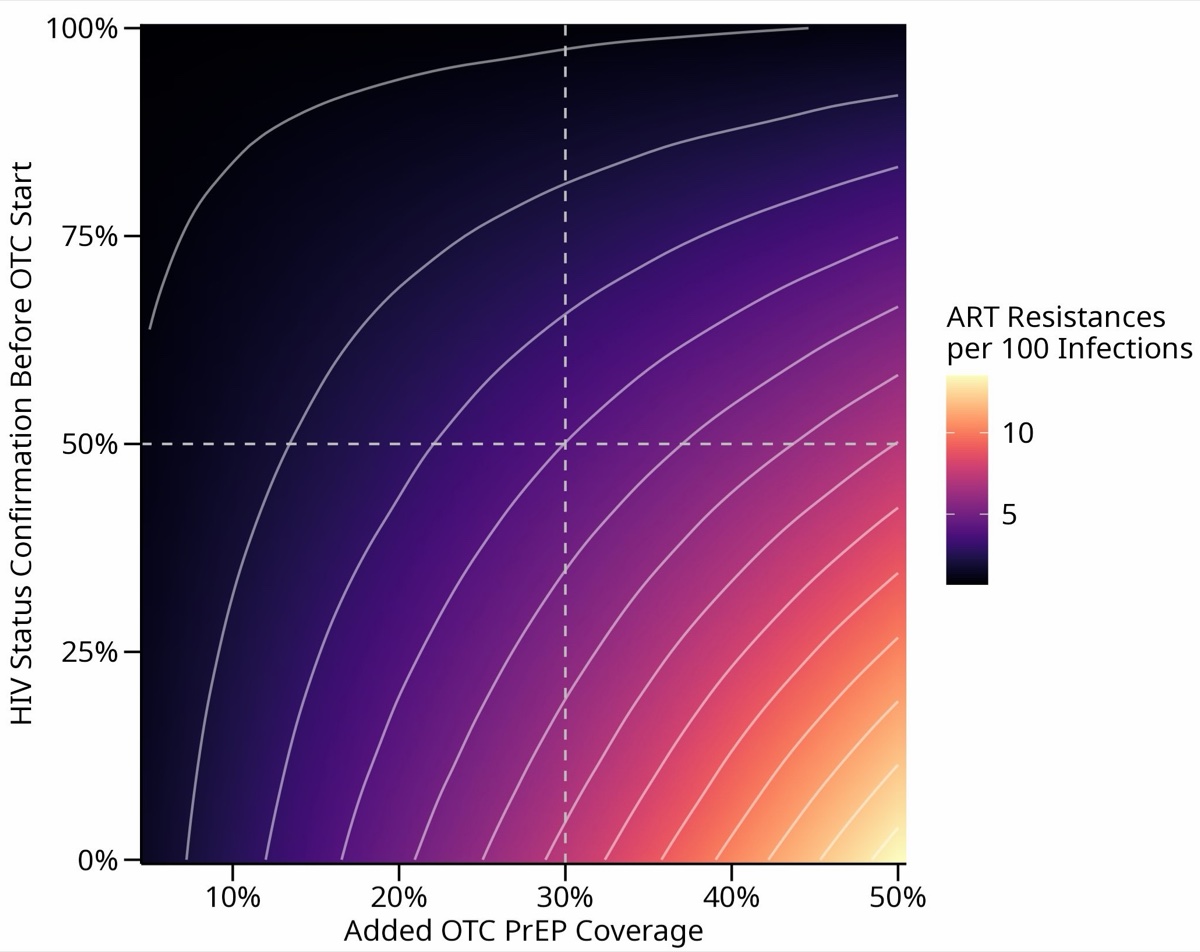
New paper led by Adrien Le Guillou in the Journal of Infectious Diseases: Potential Risks and Benefits of Low-Barrier Access and Monitoring for HIV Preexposure Prophylaxis: A Modeling Study. A network model of HIV/STI transmission among gay, bisexual, and other men who have sex with men in Atlanta compared clinic-based PrEP against over-the-counter delivery with simplified initiation and reduced monitoring. A 50% increase in PrEP coverage averted 15.4% of HIV infections, but clinical risks rose alongside it, including renal impairment exposure and TDF/FTC resistance. Sensitivity analyses indicated that confirming HIV-negative status at initiation reduced resistance by more than 90% without reducing prevention benefits.
2026-07-15
New paper led by Udodirim Onwubiko in BMC Health Services Research: Evaluating Mental Health Integration in PrEP Programs to Reduce HIV Incidence among US Gay and Bisexual Men: A Network Modeling Study. The study adapted a stochastic network model of HIV transmission among gay and bisexual men in a southeastern US metropolitan area, adding individual-level sexual stigma and mental health factors. Maximal improvement in depression diagnosis and treatment alone averted 12% of new infections over ten years in the model. Combining that care with expanded pre-exposure prophylaxis (PrEP) and antiretroviral therapy (ART) coverage for all HIV-negative individuals in PrEP settings reduced incidence by up to 41%, a final-year rate of 0.52 per 100 person-years.

2026-07-06
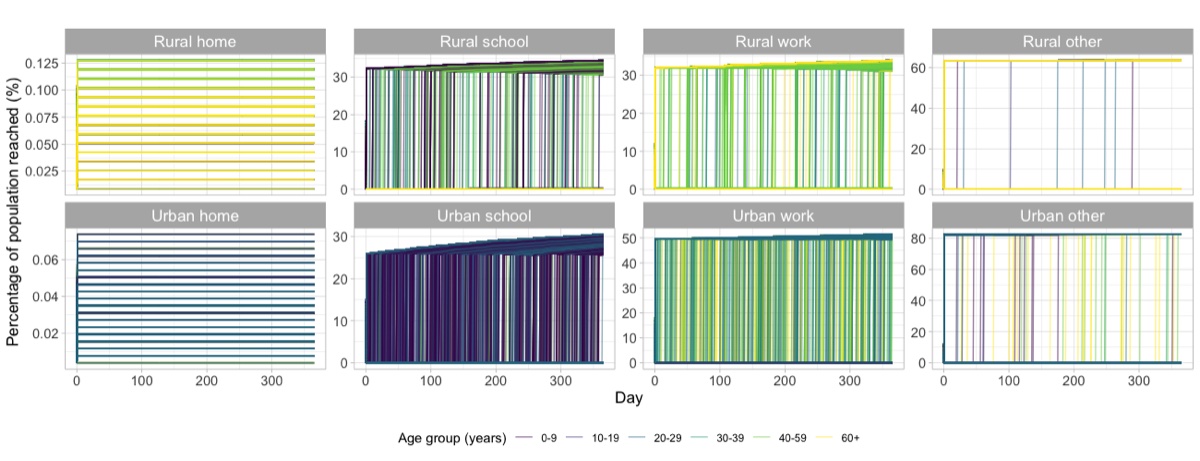
New paper led by Dehao Chen in Epidemiology: Temporal Connectivity of Social Contact Networks in Urban and Rural India. The study used empirical social contact data from rural and urban Tamil Nadu, India, to parameterize dynamic network models, simulate daily contact networks over one year, and compute forward-reachable paths, the proportion of the population reachable from an index person through direct or indirect connections. Reachability at 365 days stayed bounded at home (0.06% rural, 0.03% urban) but expanded elsewhere, reaching 12.55% at work in rural networks versus 26.72% in urban networks, and 40.54% versus 67.99% in locations other than home, school, and work. The models indicated substantial epidemic potential for acute respiratory transmission.
2026-04-28
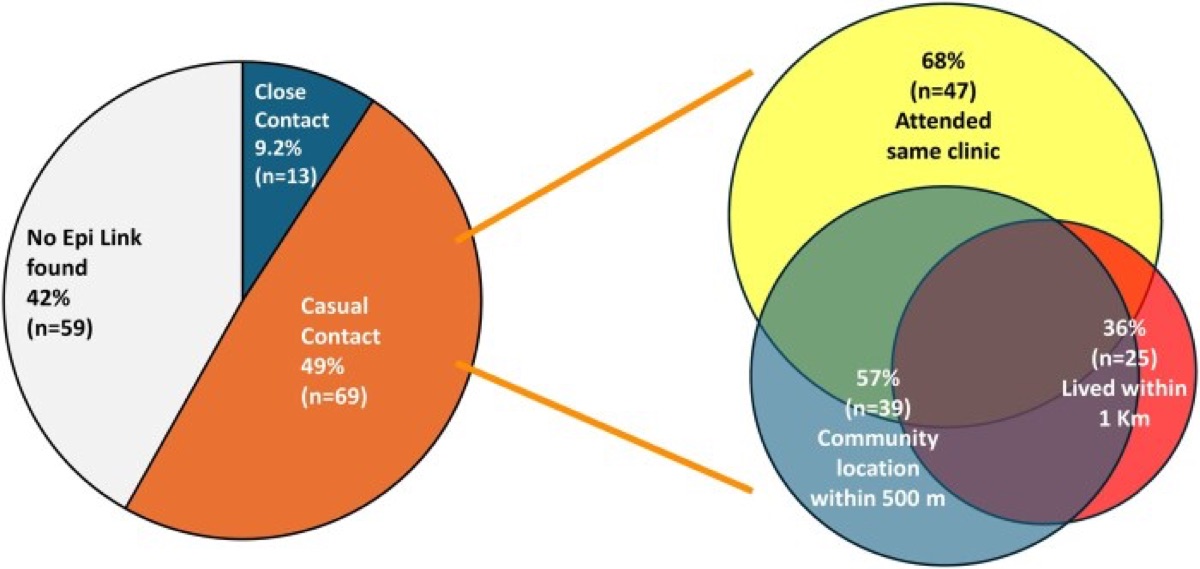
New paper led by Neel Gandhi in American Journal of Respiratory and Critical Care Medicine: Role of Casual Contact in Drug-Resistant Tuberculosis Transmission: A Molecular Epidemiology Study. The study applied universal whole genome sequencing to isolates from 251 of 305 persons diagnosed with second-line drug-resistant tuberculosis (TB) in metropolitan Durban, South Africa, from June 2018 to December 2022, pairing sequences with named contacts and GPS coordinates of homes, clinics, and community locations. Among the 141 participants (56%) who clustered genotypically, 69 (49%) were epidemiologically linked through casual contact, compared with 13 (9%) linked through close contact. Living within 1 km was associated with clustering (odds ratio 17.9), as were person-to-person links (odds ratio 5.38).
2026-04-15
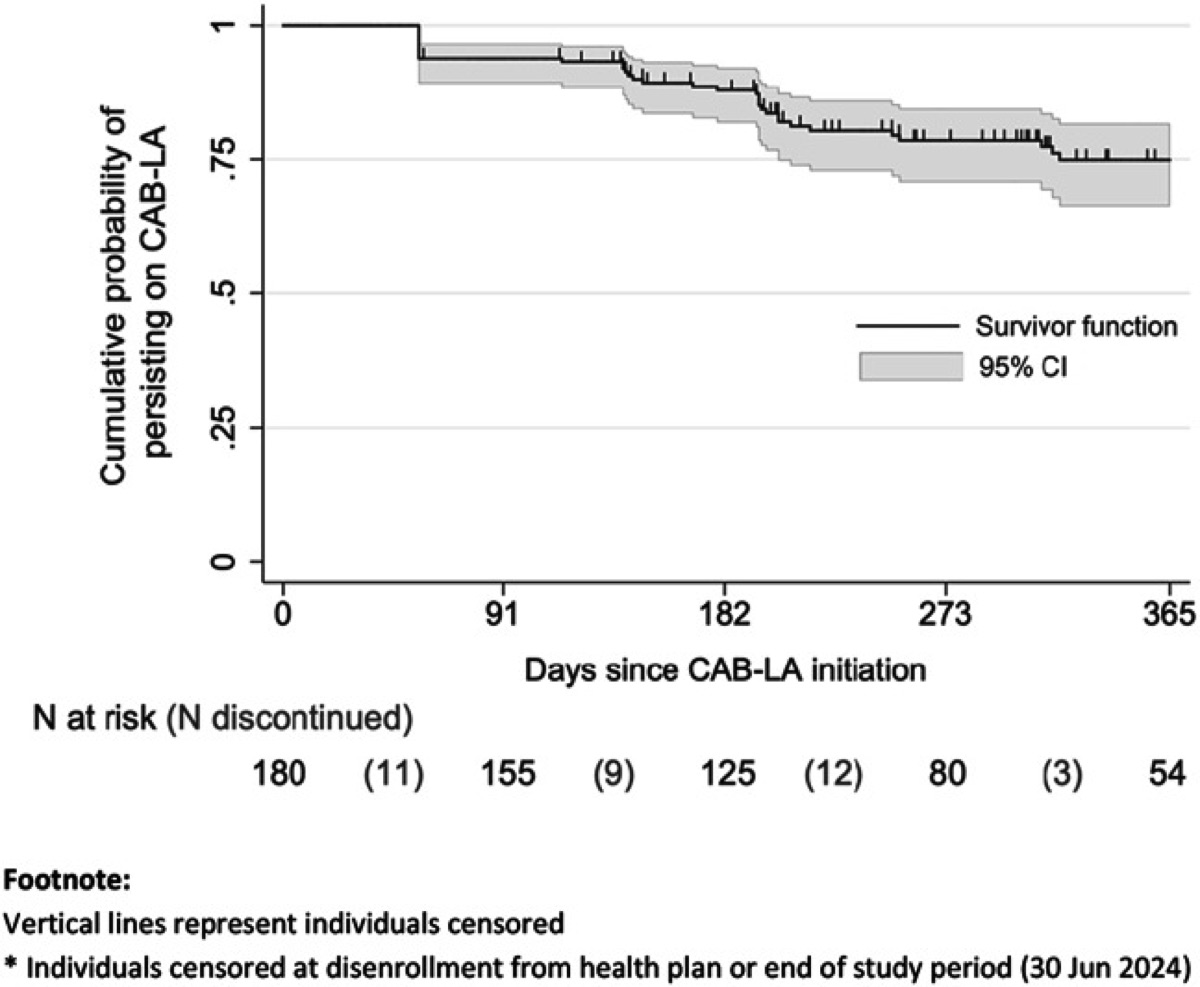
New paper led by Michael Traeger in JAIDS: Long-Acting Injectable Cabotegravir HIV PrEP Uptake, Adherence, and Persistence in Two Large US Integrated Healthcare Systems. The study used electronic health records from Kaiser Permanente Northern California and Mid-Atlantic States covering adults who received oral or injectable HIV preexposure prophylaxis (PrEP) between December 2021 and June 2024. Among 23,311 PrEP users, 180 (0.8%) received long-acting cabotegravir (CAB-LA), of whom 23.9% had no documented prior PrEP use. CAB-LA users were more often Black (18.9% versus 10.2%) or Hispanic (34.4% versus 23.6%) than oral-PrEP-only users. Of 688 non-lead-in injections, 90.4% arrived within 8 weeks plus 7 days, and persistence was 87.9% at 6 months and 74.9% at 12 months.
2026-03-01
New paper led by Emeli Anderson in AIDS and Behavior: Predictive Models to Identify Factors Associated with a High One-Time Sexual Partnership Rate among U.S. Men Who Have Sex with Men. The study fit negative binomial and penalized logistic models to counts of one-time partnerships reported in a web-based egocentric network survey of men who have sex with men (MSM) in the United States. Predictors of a high rate were consistent across models: numbers of main and casual partners, exchange sex, use of apps or the internet to meet men, and non-injection drug use. Logistic models treating 6 partners per year as the high-count cut point performed best.
2026-02-01
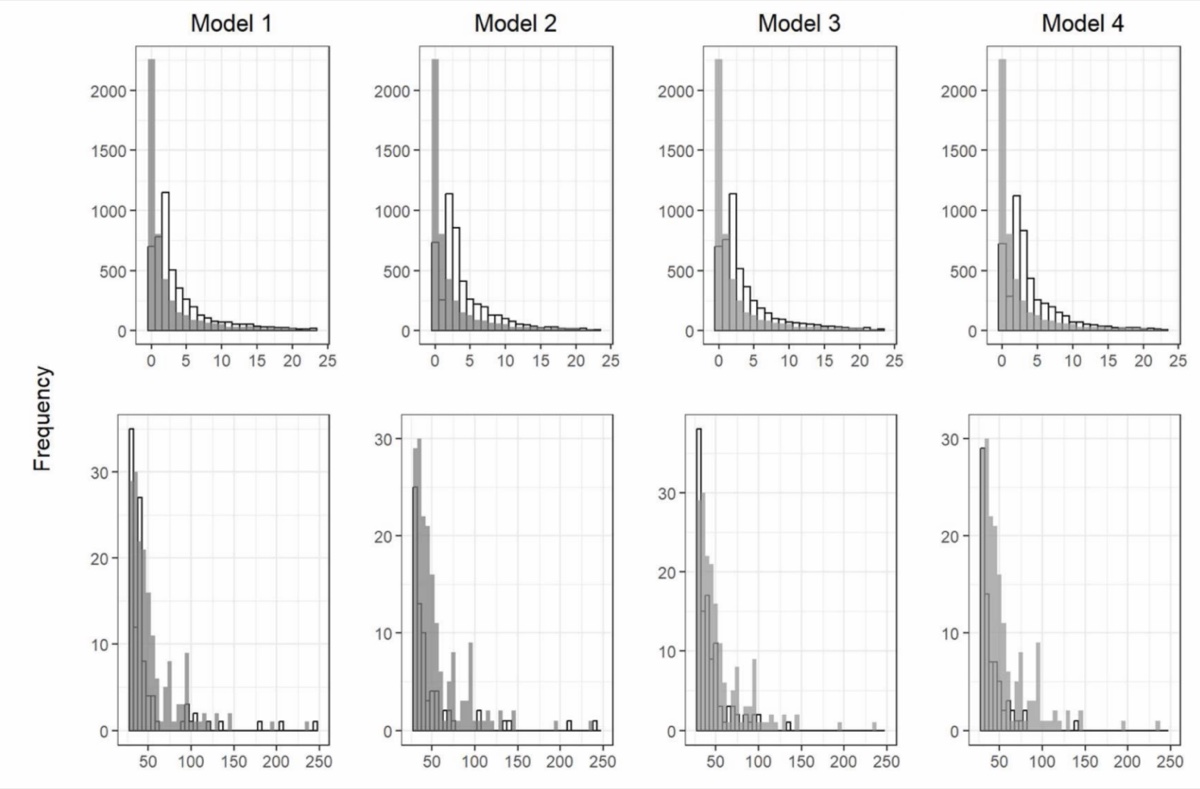
New industry-funded study supported by Merck & Co., running through 2027: Monthly HIV Pre-Exposure Prophylaxis Preferences among U.S. Men Who Have Sex with Men. Pre-exposure prophylaxis (PrEP) is currently delivered either as a daily oral regimen or as a long-acting injectable given every two months, so a monthly formulation would sit between the two on dosing burden. The study measures how gay, bisexual, and other men who have sex with men weigh a monthly option against the formulations already available, then uses those preference estimates to parameterize a network transmission model. The modeling component estimates the population-level impact of a monthly formulation on HIV incidence relative to the current daily oral and injectable landscape.
2026-01-15
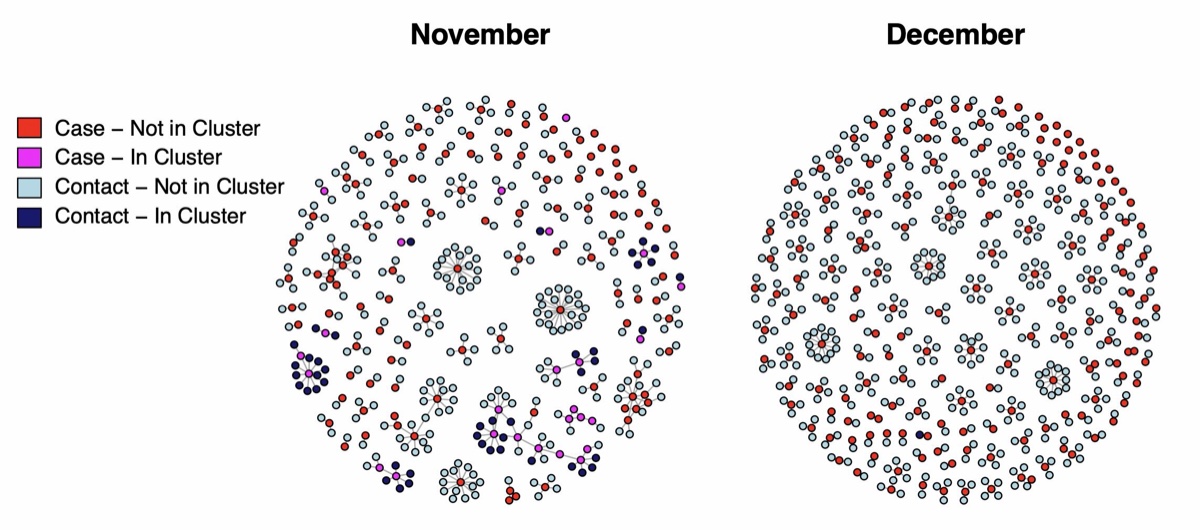
New paper led by Kristin Harrington in Public Health: The Application of Social Network Analysis to Examine COVID-19 Contact Tracing Networks in a University Setting. This cohort study reconstructed contact networks from case investigation and contact tracing interviews during the Fall 2020 semester at a US university under hybrid learning. The analysis identified 441 COVID-19 cases, 1121 close contacts, and 1206 links, with a mean of 2.9 direct contacts per person. The overall secondary attack rate (SAR) was 9.7% (50/518), and contacts of symptomatic cases had a higher SAR than contacts of asymptomatic cases (11.8% versus 4.9%; p = 0.015). Networks were minimally clustered, suggesting that campus transmission may differ from other settings.
2025-10-15
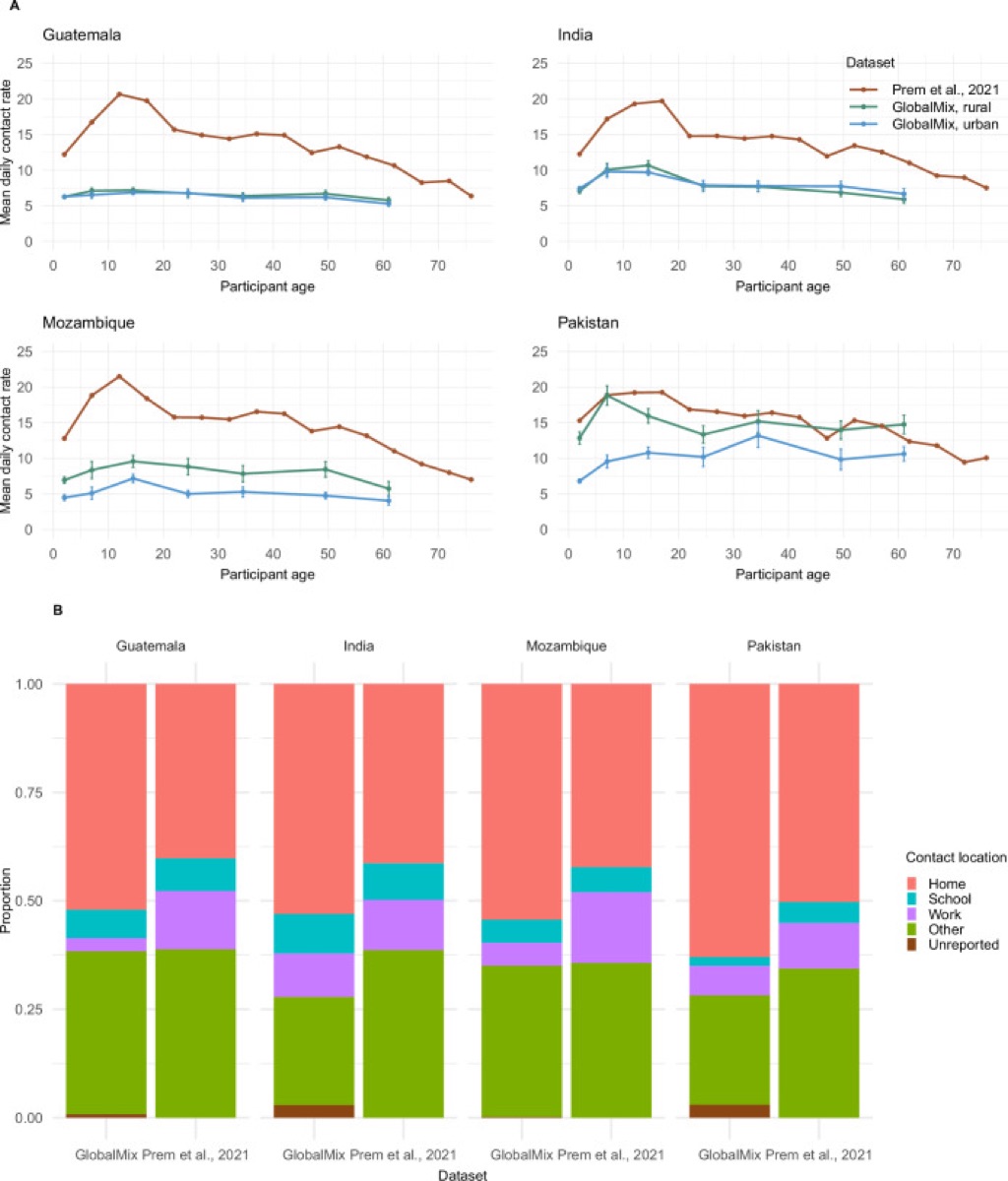
New paper led by Kristin Nelson in Nature Communications: Characterizing Social Behavior Relevant for Infectious Disease Transmission in Four Low- and Middle-Income Countries, 2021-2023. The population-based study collected two-day contact diaries from 5,085 participants in Guatemala, India, Mozambique, and Pakistan, yielding 84,829 contacts. Mean contact rates were highest among 10- to 19-year-olds in three countries and among 5- to 9-year-olds in Pakistan. Non-home locations with high transmission potential were schools in India, workplaces in Pakistan, and social or leisure settings in Mozambique and Guatemala. Among children under 5 years, contacts with non-household members were most common in Mozambique and least common in India, and age patterns diverged from projections based on high-income countries.
2025-08-12
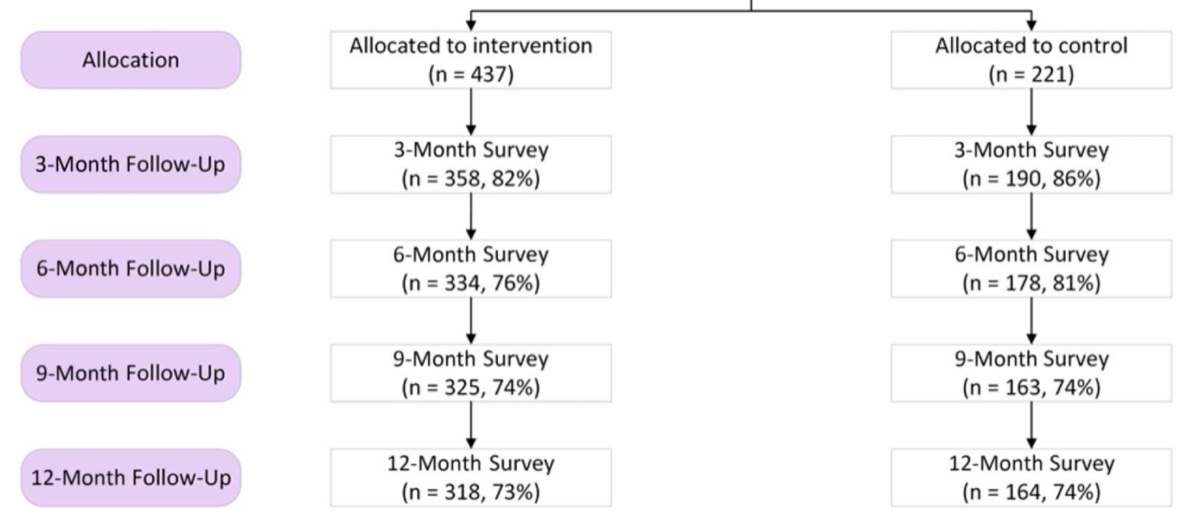
New paper led by Jeb Jones in JAIDS: Randomized Controlled Trial of a HIV Prevention App to Increase Pre-exposure Prophylaxis Uptake among Gay and Bisexual Men Who Have Sex with Men in the United States: The HealthMindr PrEP Study. The trial randomized 658 gay and bisexual men who have sex with men in Ending the HIV Epidemic priority jurisdictions to the HealthMindr-PrEP app (437) or a control app (221), with follow-up over one year. Differences between arms in self-reported pre-exposure prophylaxis (PrEP) uptake were not statistically significant. Among participants with PrEP indications at baseline, the estimated rate of PrEP initiation was higher in the intervention arm, though the interval was consistent with no effect (hazard ratio 1.64, 95% CI 0.89 to 3.03); the estimate among those without indications was 1.05.
2025-07-01
New paper led by Udodirim Onwubiko in Sexually Transmitted Diseases: Optimizing HIV Partner Services for Gay, Bisexual and Other Men Who Have Sex with Men Previously Diagnosed with HIV: A Modeling Study. Stochastic network models of HIV and bacterial sexually transmitted infection transmission in Atlanta tested two extensions of HIV partner services (HIV-PS). Expanding partner elicitation to partners of HIV-positive partners had minimal effect on HIV incidence, whereas adding people with previously diagnosed HIV who were out of care increased index-case and partner pools 10-fold. Prioritizing antiretroviral therapy (ART) reengagement for that group alongside optimized HIV-PS averted up to 63% of HIV infections relative to the base scenario in the model.
2025-06-15
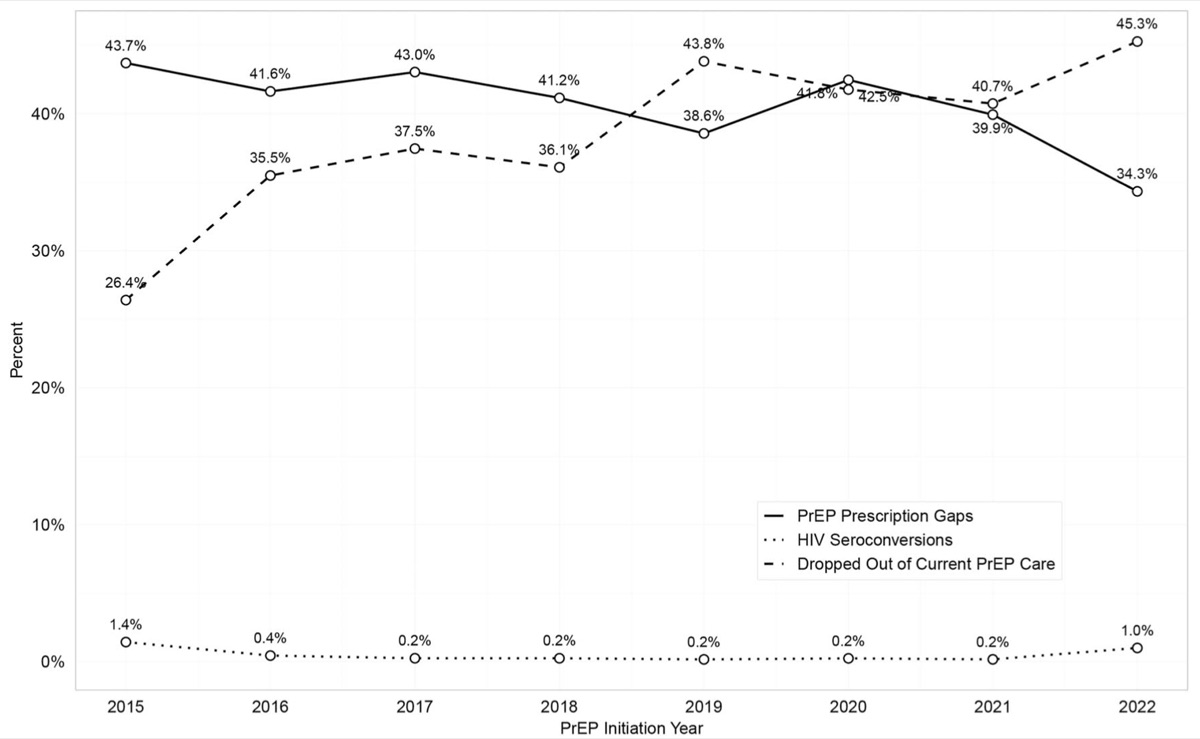
New paper led by Udodirim Onwubiko in JAIDS: Impact of Depression at HIV PrEP Initiation on Sustained PrEP Care Engagement among US Gay and Bisexual Men. The study analyzed electronic health records for 8,077 gay and bisexual men prescribed oral preexposure prophylaxis (PrEP) at three Boston clinics between January 2015 and February 2022, each followed for 18 months. Baseline depression was diagnosed in 19% of the cohort. Over follow-up, 41% had prescription gaps, 38% dropped out, and 0.4% seroconverted without a prior gap. Depression was modestly associated with higher rates of prescription gaps (adjusted hazard ratio 1.10, 95% CI 1.00-1.20) and dropping out (1.16, 95% CI 1.05-1.28) relative to men without depression.
2025-05-15
New paper led by Lauren Violette in JAMA Network Open: Support for Over-the-Counter HIV Preexposure Prophylaxis among Transfeminine People. The analysis drew on the 2023-2024 Transgender Women’s Internet Survey and Testing study, an online cross-sectional survey of 1936 transgender women and transfeminine nonbinary people from all 50 states, 1684 of whom (87.0%) had never used preexposure prophylaxis (PrEP). Support for over-the-counter (OTC) PrEP availability was reported by 1677 respondents (86.6%), compared with 127 (6.6%) who did not support it and 114 (5.9%) who were unsure. Support was higher among respondents reporting 10 or more sex partners in the prior 12 months than among those reporting 0 to 1 (prevalence ratio 1.09, 95% CI 1.05-1.12).
2025-04-20
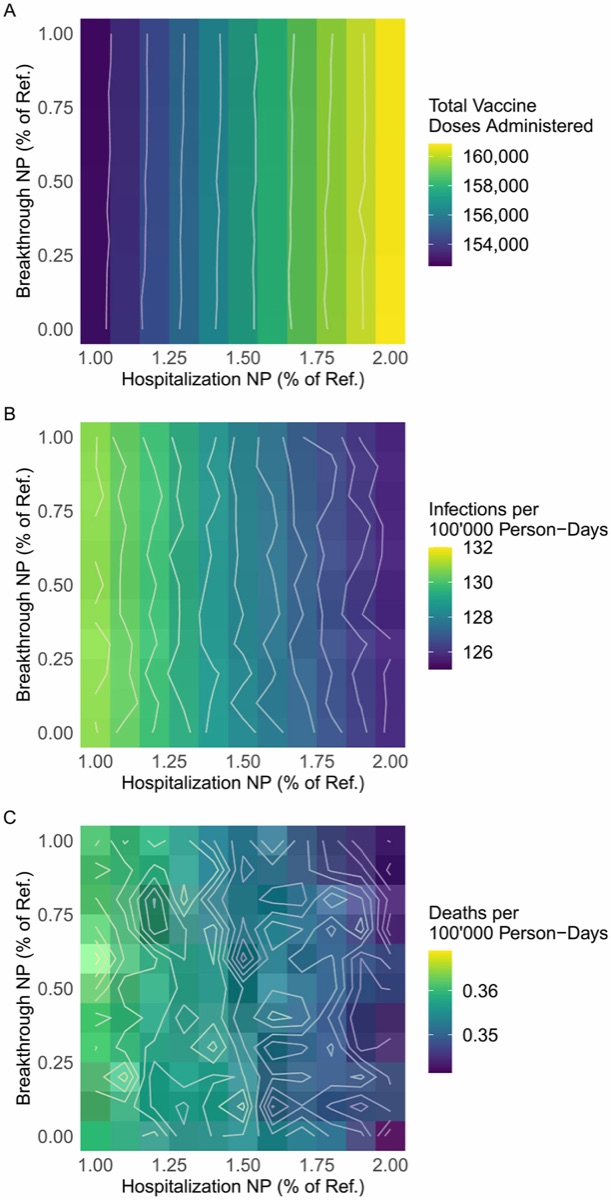
New paper led by Karina Wallrafen-Sam in Epidemics: Modelling the Interplay Between Responsive Individual Vaccination Decisions and the Spread of SARS-CoV-2. The study coupled a network- and agent-based model of SARS-CoV-2 transmission with a social-psychological decision-making model in which side effects and breakthrough infections nudged individuals toward vaccine resistance while spikes in COVID-19 hospitalizations nudged them toward willingness, calibrated to the epidemic in Georgia, USA from January 2021 to August 2022. In the model, raising the probability of hospitalization-prompted resistant-to-willing nudges increased vaccine uptake by as much as 5.4% and decreased SARS-CoV-2 incidence by as much as 4.0% relative to the calibrated baseline, whereas decreasing breakthrough-related willing-to-resistant nudges had negligible impact.
2025-04-01
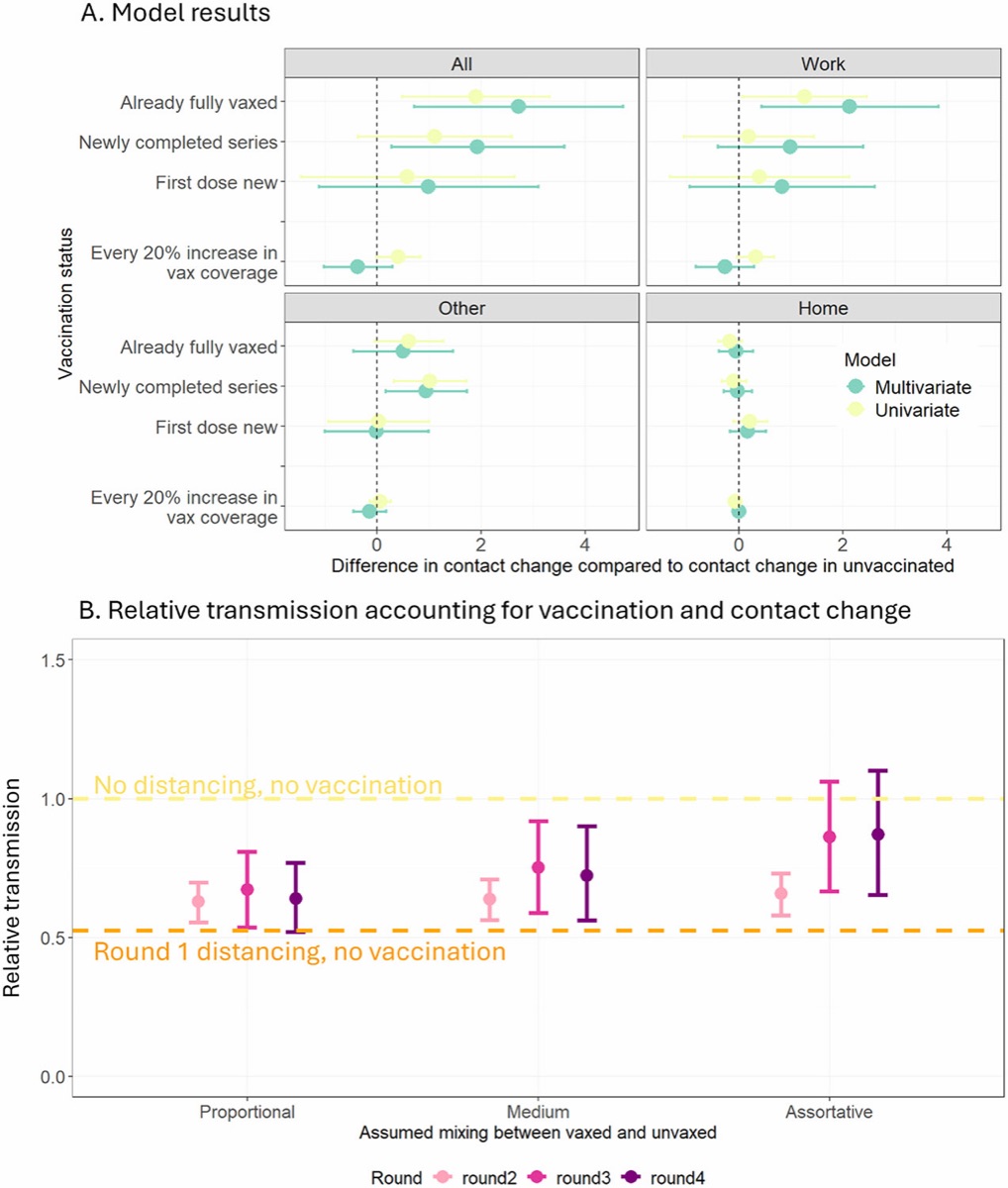
New paper led by Carol Liu in Epidemics: The Effect of COVID-19 Vaccination on Change in Contact and Implications for Transmission. This analysis used a longitudinal cohort sampled from United States households that measured contact rates, risk mitigation, and COVID-19 vaccination status between August 2020 and April 2022. Contact rates increased across survey rounds in all sociodemographic groups, though unvaccinated participants reported persistently higher rates. In a multilevel generalized linear mixed effects model, individuals who newly completed a primary vaccine series reported an additional 1.93 contacts (95% CI 0.27 to 3.59) relative to those who remained unvaccinated. Transmission estimates from observed contact rates suggest these increases were not fully offset by vaccine protection against infection.
2025-02-15
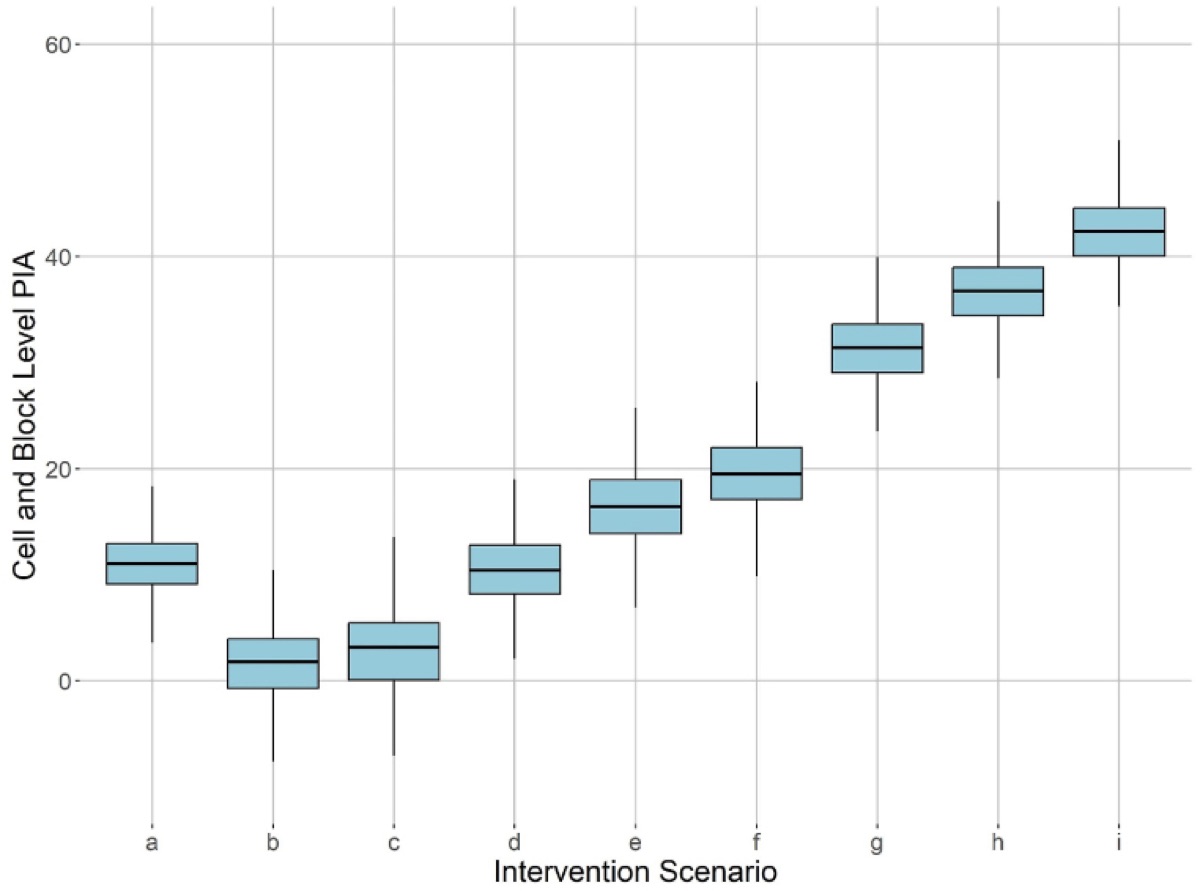
New paper led by Isaac Schneider in Infectious Disease Modelling: Interventions for SARS-CoV-2 Prevention among Jailed Adults: A Network-Based Modeling Analysis. This analysis used a network-based SARS-CoV-2 transmission model parameterized with data from the Fulton County Jail in Georgia, representing contacts on cell and block network layers over 185 days with 300 simulations per scenario. Nine intervention scenarios combining vaccination, contact tracing with quarantine, and increased jail release were compared against a reference scenario without them. In the model, cell-level contact tracing alone averted 3.2% of infections relative to the reference scenario, while each other strategy averted over 10%; increased jail release averted nearly 20% of infections despite reducing the jail population by only 13%.
2025-01-15
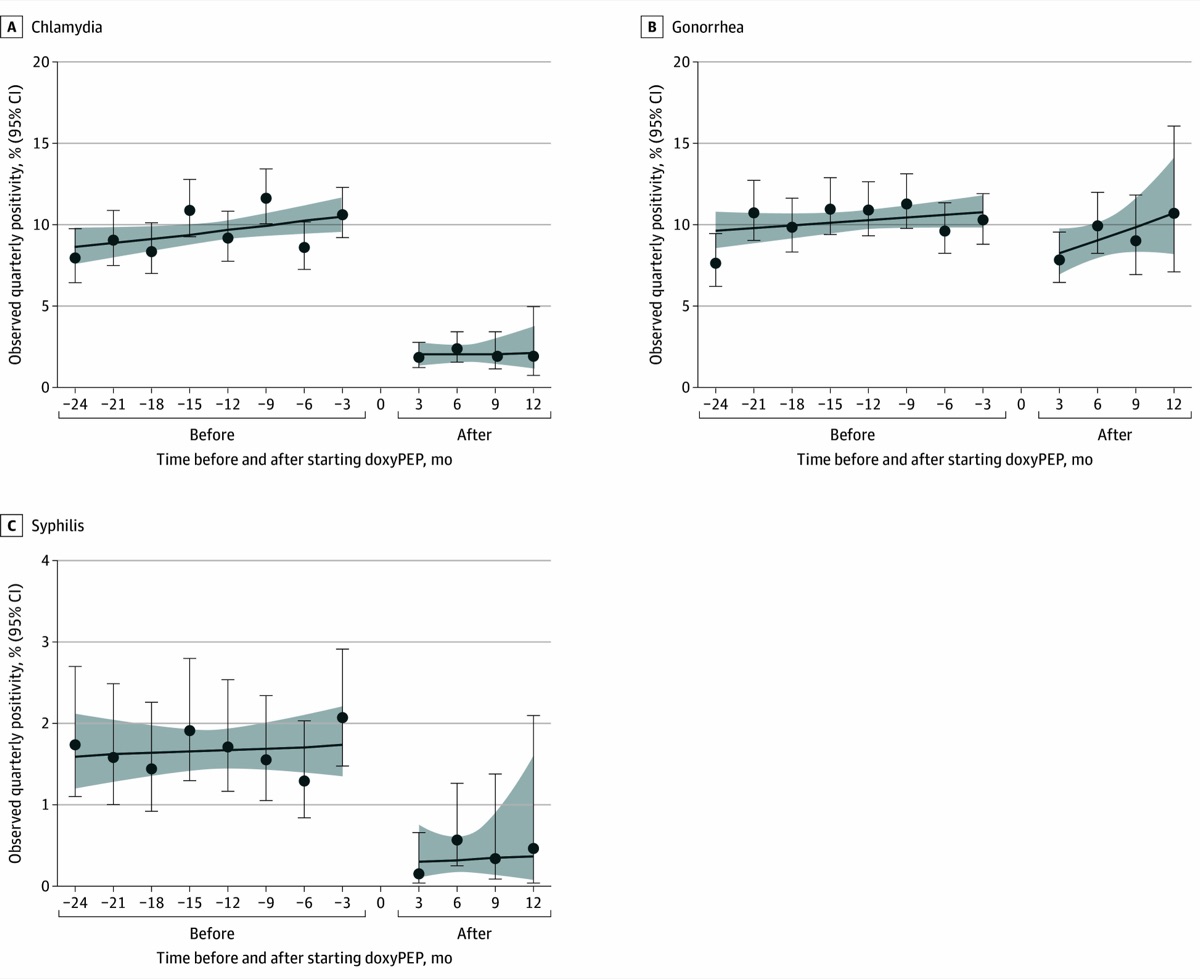
New paper led by Michael Traeger in JAMA Internal Medicine: Doxycycline Postexposure Prophylaxis and Bacterial Sexually Transmitted Infections among Individuals Using HIV Preexposure Prophylaxis. This retrospective cohort study analyzed electronic health record data from 11,551 adults dispensed HIV preexposure prophylaxis (PrEP) at Kaiser Permanente Northern California, of whom 2,253 (19.5%) received doxycycline postexposure prophylaxis (doxyPEP). Among doxyPEP recipients, quarterly chlamydia positivity fell from 9.6% before initiation to 2.0% after (rate ratio 0.21, 95% CI 0.16 to 0.27) and syphilis positivity from 1.7% to 0.3% (rate ratio 0.20, 95% CI 0.11 to 0.37); gonorrhea declined from 10.2% to 9.0% (rate ratio 0.88, 95% CI 0.77 to 1.00). Positivity remained stable among PrEP users not dispensed doxyPEP.
2024-11-15
2024-10-15
2024-09-15
2024-08-01
2024-07-01
Received Site PI role on the new NIH-funded SILOS: Structural Inequities across Layers of Social-Context as Drivers of HIV and Substance Use (R01 DA061247), studying social and structural factors in HIV transmission and substance use among young MSM and transgender women.
2024-05-15
Received Site PI role on the new NIH-funded Over-the-Counter PrEP: Acceptability, Feasibility, and Potential Impact of Access Without a Prescription (R21 MH136855). Evaluates the feasibility and impact of removing the need for a PrEP prescription.
2023-11-20
2023-09-15
Received new NIH award for the LITE Cohort to Identify Determinants of Viral Suppression in MSM and Transfeminine Individuals Living with HIV (UG3 AI176853). A mixed-methods web-based cohort study investigating drivers of HIV viral non-suppression and novel approaches to VL monitoring and treatment.
2023-09-01
Received new CDC award for the Emory Center for Infectious Disease Modeling & Analytics and Training Hub (CIDMATH; CDC U38 75279). The Center will facilitate rapid understanding of epidemiological situations to guide public health decision-making.
2023-06-01
2022-10-06
2022-10-01
2022-09-23
Received notice of award from NIH/NIAID for a new collaborative project led by PI Julia Marcus at Harvard Medical School: Cabotegravir PrEP: Actionable Robust Evidence for Translation into Practice (R01 AI174862). The study evaluates the real-world use, clinical outcomes, and optimal investment of resources for long-acting injectable PrEP.
2022-09-14
2022-07-26
2022-07-19
2022-07-01
Elected to serve as a standing member of the NIH Study Section Population and Public Health Approaches to HIV/AIDS (PPAH) over the next four years.
2022-05-15
Received notice of award from NIH/NIDA for a new collaborative project led by PI Patrick Janulis at Northwestern: Leveraging data synthesis to identify optimal and robust strategies for HIV elimination among substance-using MSM (R01 DA055502). Network-based epidemic modeling with EpiModel to investigate the role of drug and alcohol use among MSM in driving ongoing HIV transmission.
2022-05-01
2022-03-10
Received notice of award from NIH/NIAID for a new collaborative project led by MPIs Ben Lopman and Saad Omer: Investigation of COVID-19 Disease Parameters for Transmission Models in Low-Resource Settings (R01 AI161399). We will use EpiModel to understand within-household and community-level transmission networks of SARS-CoV-2 in low and middle income countries.
2022-03-01
Received notice of award from NIH/NIMH for our new project STI Response and Recommendations Under PrEP (STIRRUP) (R01 MH128130). Big data analysis, epidemic modeling, and economic decision analysis to understand and address the interaction of HIV PrEP scale-up and bacterial STI incidence.
2021-12-15
2021-12-08
2021-12-01
2021-10-24
2021-10-05
2021-09-01
2021-07-15
2021-07-01
2021-03-29
2021-03-15
2020-11-15
2020-07-01
2020-03-08
2020-03-01
2019-11-01
2019-10-25
2018-10-11
2018-07-29
2018-07-12
Received my first R01 funding as PI from NIH/NIAID (R01 AI138783) for a project to develop and extend the EpiModel platform to address the next generation of HIV/STI prevention science questions.
2018-06-18
2017-09-01
2017-02-15
Received our first NIH funding as PI (R21 MH112449) for a new study to collect a national sample of network-based data on MSM for local modeling of HIV/STI transmission dynamics and prevention opportunities.
2016-12-15
2016-09-01
Started a new affiliation with the Northwestern Center for Prevention Implementation Methodology (CePIM) as an Early Stage Investigator, with funding to conduct network and implementation science research over the next five years.
2016-07-14