Samuel Jenness, PhD

Associate Professor
Department of Epidemiology
Rollins School of Public Health
Emory University
I am an infectious disease epidemiologist specializing in mathematical and computational approaches for infectious disease dynamics through the framework of network science.
As an Associate Professor in the Department of Epidemiology at the Rollins School of Public Health of Emory University, I lead the EpiModel Research Lab and also collaborate on many projects in both methods and applications for infectious disease epidemiology. I teach courses in infectious disease epidemiology and modeling methods, and I am the faculty director of our Infectious Disease Epidemiology Certificate program.
Research Interests
My methodological research focuses on the development of an open-source software platform for epidemic modeling, EpiModel, which allows users to build, simulate, and analyze complex mechanistic models for infectious disease systems. EpiModel provides a powerful toolkit for modeling dynamic contact networks that are fundamental for representing transmission of diseases requiring direct contact. EpiModel has been used in over 130 scientific publications by our group and infectious disease modeling researchers around the world.
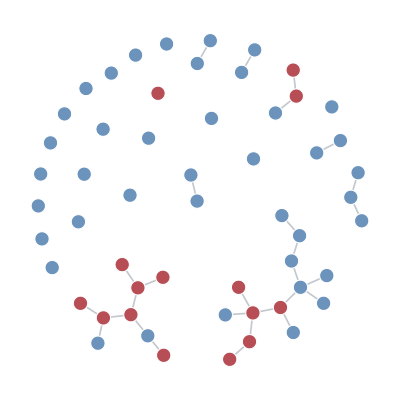
My applied research focuses on the epidemiology of sexually transmitted and respiratory infectious diseases. I am interested in how we can use mechanistic modeling and network science frameworks to understand the drivers of these diseases, and to design and evaluate effective prevention strategies. Recent applications have used models to investigate the co-circulation of multiple pathogens within the same population where the risk for acquiring one disease depends on the epidemic dynamics of other infections transmitted along the same contact network.
More broadly, the work of my EpiModel Research Lab involves addressing these questions with research in the following domains:
- Infectious disease epidemiology
- Mechanistic and mathematical modeling of infectious disease
- Network science
- Survey research design and analysis
- Computational epidemiology and scientific software development
I actively support and mentor PhD students, postdocs, and research staff who work with me in the EpiModel Research Lab.
Latest News
- Sep 2026 New paper (Parker): Enhanced Screening and STI Diagnoses after PrEP Initiation
- Aug 2026 New paper (Chandra): PrEP Reinitiation as a Target for Reducing HIV Incidence
- Aug 2026 New paper (Chandra): Scaling Up Event-Driven PrEP among MSM
- Aug 2026 New paper (Jenness): Evolving Drivers of PrEP Discontinuation among US MSM
- Jul 2026 New paper (Quesada): Isolation and Masking Guidance in Office Workplaces
Featured Publications
-
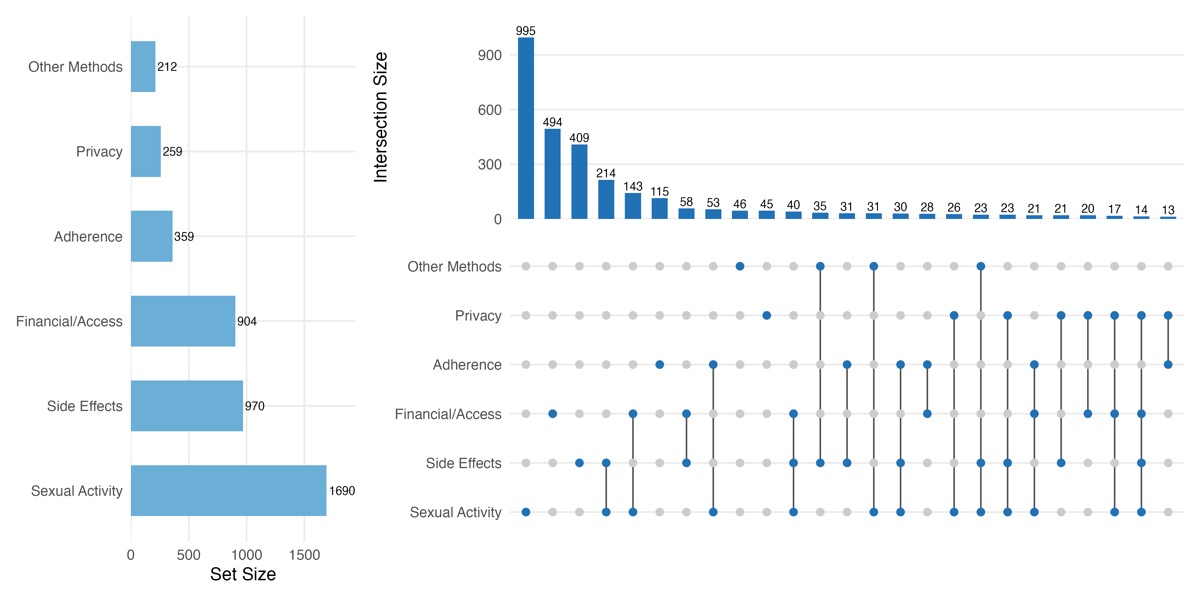
Among 3,074 men who stopped PrEP, discontinuation attributed to altered sexual activity rose from 46.2% in 2018 to 61.2% in 2024, while privacy and discrimination concerns doubled from 5.6% to 11.3%.
-
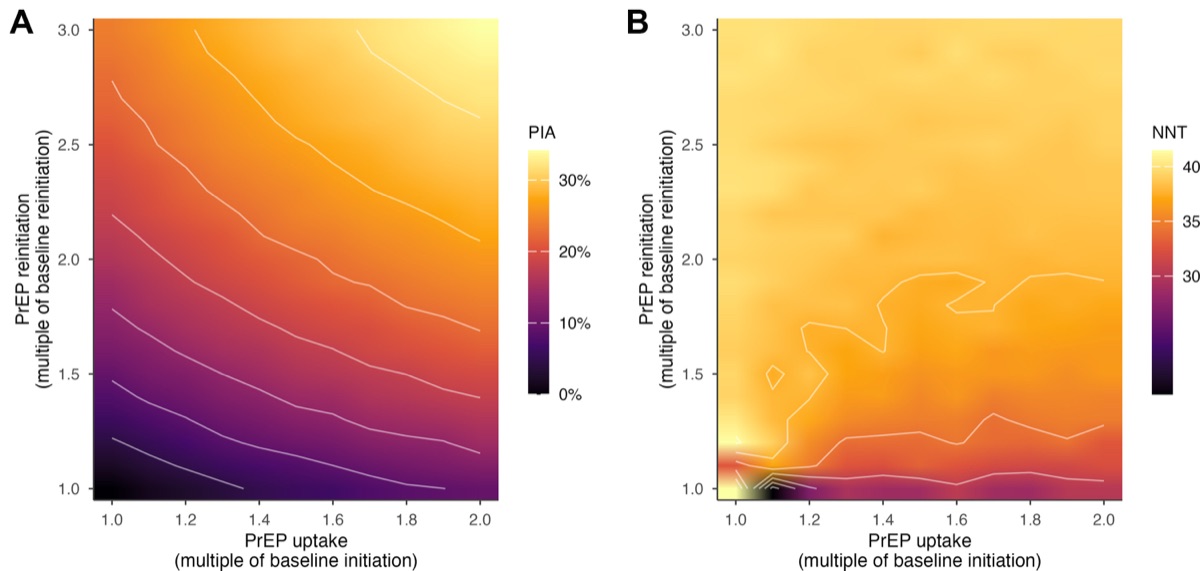
Doubling the rate at which former PrEP users restarted averted 15.8% of HIV infections over 10 years in Boston, against 10.0% for doubling initial uptake and 5.6% for maximizing persistence.
-
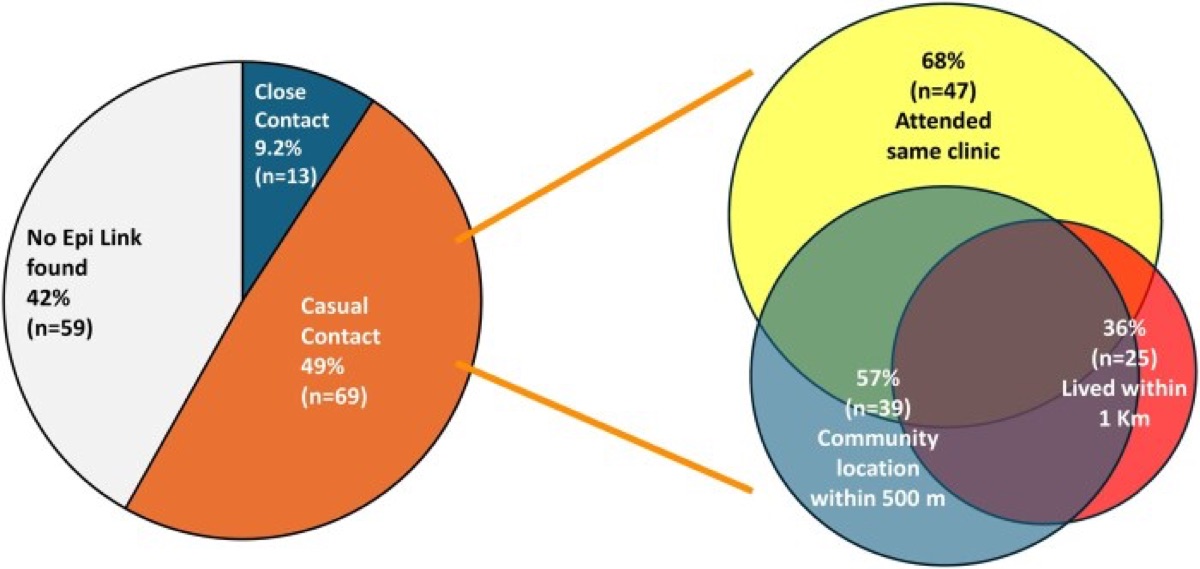
Among genotypically clustered cases of drug-resistant tuberculosis, 49% were linked through casual contact in community locations, compared with 9% through close contact.
-
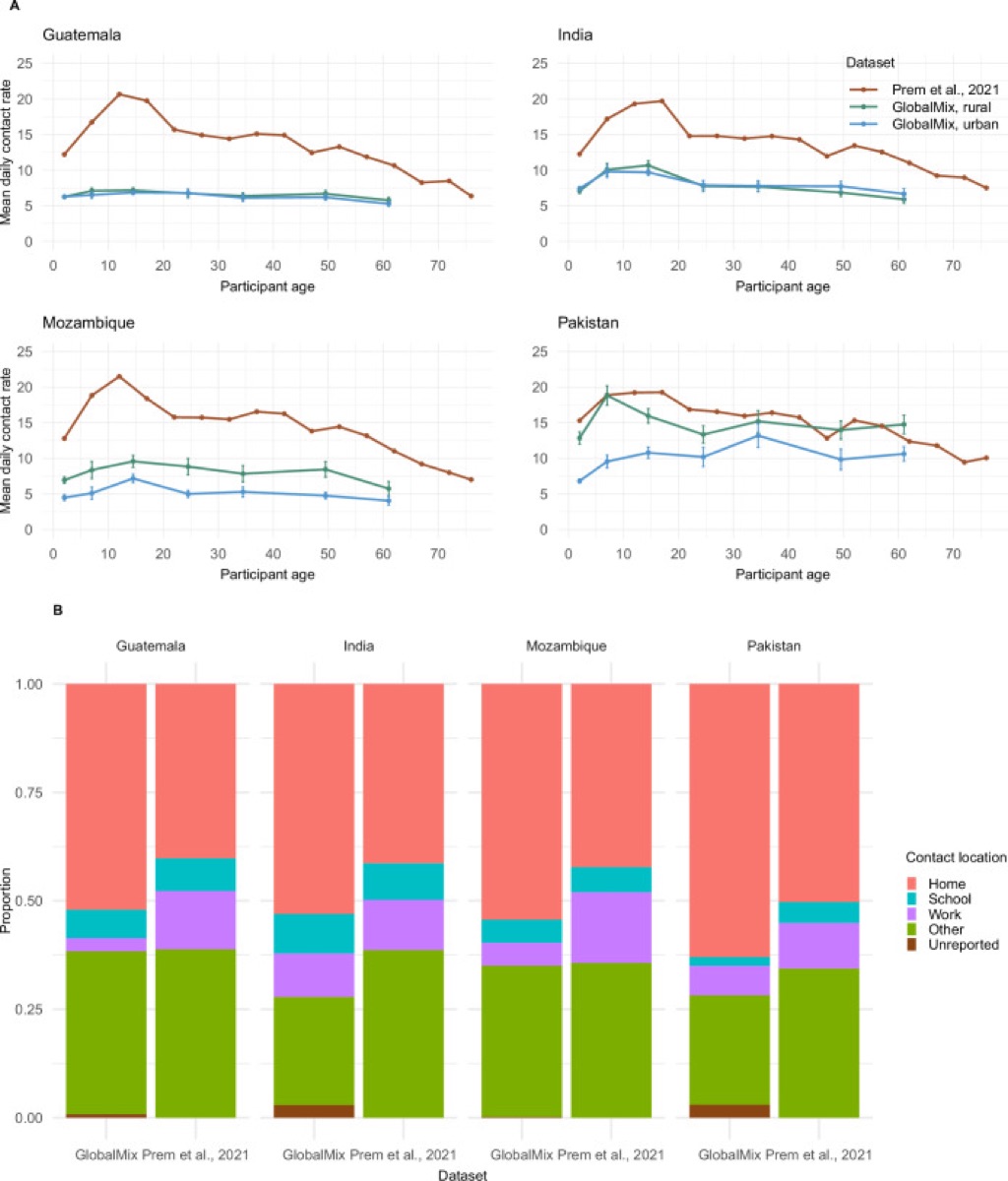
Two-day contact diaries from 5,085 participants across four low- and middle-income countries yielded 84,829 contacts, with age patterns that diverged from projections extrapolated from high-income settings.
-
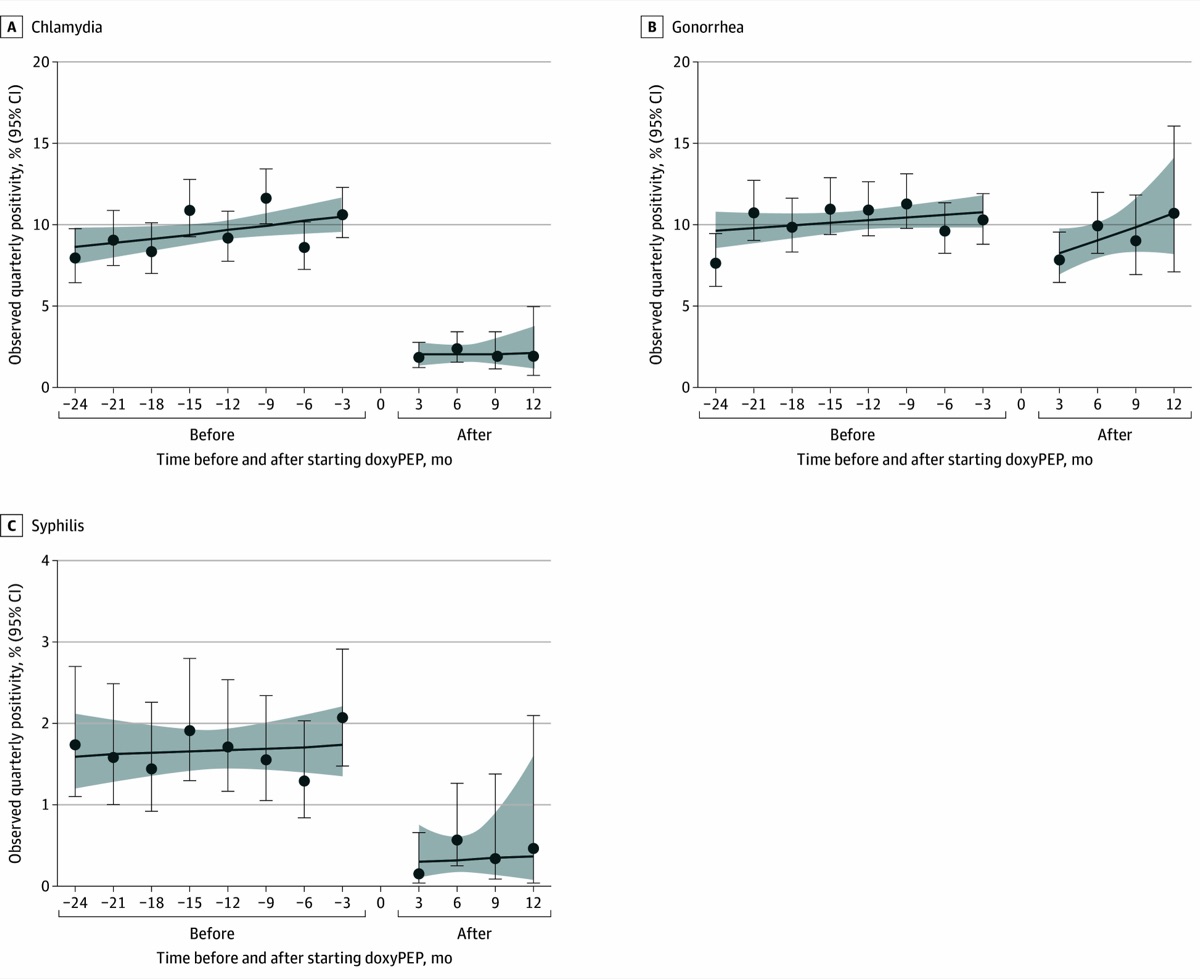
After doxy-PEP initiation, quarterly chlamydia positivity fell from 9.6% to 2.0% and syphilis from 1.7% to 0.3%, while gonorrhea moved from 10.2% to 9.0%.